

Starmer: Under-16s in UK to be banned from social media in 2027
OAN Staff Brooke Mallory
3:00 PM – Monday, June 15, 2026
British Prime Minister Keir Starmer announced a new prohibition on social media for children under the age of 16 on Monday, introducing what he described as a policy that will go “further than any country in the world” to protect youth from online addiction and other dangers.
While speaking at a Downing Street press conference, Starmer stated that the new restrictions are designed to combat the addictive nature of digital platforms, target excessive screen time and curb severe mental health issues among youth.
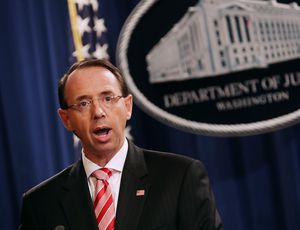
He rolled out the policy during a morning media briefing, standing at a podium alongside invited child safety campaigners before traveling to the G7 summit in France.
“We hope to pass regulation before Christmas,” he said, with the ban coming in spring 2027. “I am not prepared to compromise on the safety and happiness of our children, and that is why this ban must happen, and why this ban will happen,” Starmer said.
It applies to the entire UK, not just Great Britain. In the UK, internet safety and telecommunications regulation are “reserved matters.” This means the central UK Parliament in Westminster holds the authority to pass laws on these issues, rather than leaving them to the devolved governments in Edinburgh, Cardiff, or Belfast. The legislation will be enforced nationwide by the Office of Communications (Ofcom), a regulatory broadcast and internet watchdog.
The prime minister, a father of two teenagers, described the decision as an intervention to help parents reclaim childhood for the next generation, asserting that technology companies have repeatedly failed to safeguard vulnerable users on their own.
The planned legislation, which the Labour government says will pass before Christmas and fully implement between early next spring and mid-2027, will target ten major user-to-user platforms that dominate teenage social lives. The block will apply to heavily frequented networks like TikTok, Instagram, YouTube, Snapchat, Facebook, X, Threads, Twitch and Reddit.
Nonetheless, the government confirmed that encrypted messaging services like WhatsApp and Signal, alongside educational tools like Google Classroom and curated platforms like YouTube Kids, will be exempt from the ban. To enforce compliance, the UK will work alongside Ofcom to deploy advanced age-verification mechanisms, including facial age estimation and digital identity checks, backed by the threat of multimillion-dollar fines for tech companies that fail to reasonably exclude underage users.
Dubbed an “Australia Plus” model, the strategy intentionally “builds upon and expands the pioneering under-16 social media ban passed by Australia,” UK officials say. Under the new rules, the government will mandate default safety settings for 16- and 17-year-olds and strip stranger-communication functionalities and livestreaming capabilities from online gaming and other interactive services.
The government is also reviewing additional measures to be detailed next month, including overnight internet curfews and legally enforced pauses on infinite scrolling for all users under 18. AI-driven “romantic companion” chatbots designed to simulate intimate relationships will also face a minimum age requirement of 18. The policy shift follows a massive government public consultation that yielded 116,000 responses — the second-largest public turnout in British history — in which more than 90% of respondents backed an under-16 social media prohibition.
Politically, the move provides a policy legacy for Starmer during a period in which he faces internal pressure and a potential leadership challenge from within UK’s Labour Party. However, the regulatory stance has since drawn pushback from major tech companies as well.
Meta and YouTube issued statements warning that blanket bans are counterproductive, arguing that “blocking verified, supervised spaces will inevitably drive teenagers into unregulated, anonymous, and far more dangerous corners of the internet.” Academics and tech experts also raised concerns that the age-verification systems required to keep a determined 14-year-old off social media would effectively mandate dystopian digital checkpoints and identity tracking for adult internet users as well.
The United States Embassy in London warned that these kind of regulations must remain narrow enough to avoid placing disproportionate compliance burdens on U.S. tech companies or infringing upon free speech protections.
Stay informed! Receive breaking news alerts directly to your inbox for free. Subscribe here. https://www.oann.com/alerts
What do YOU think? Click here to jump to the comments!
Sponsored Content Below

Advertising by Adpathway







;)