

U.S. Military Deploys in Caribbean for Most Ambitious Drug War Since the 1980s
The U.S. military deploys in the Caribbean for the most ambitious drug war since the 1980s. Learn about this historic mission.
On Thursday, August 14, 2025, the U.S. Department of Defense confirmed a major tactical shift by sending American warships and military aircraft to the southern Caribbean to combat Latin American drug cartels.
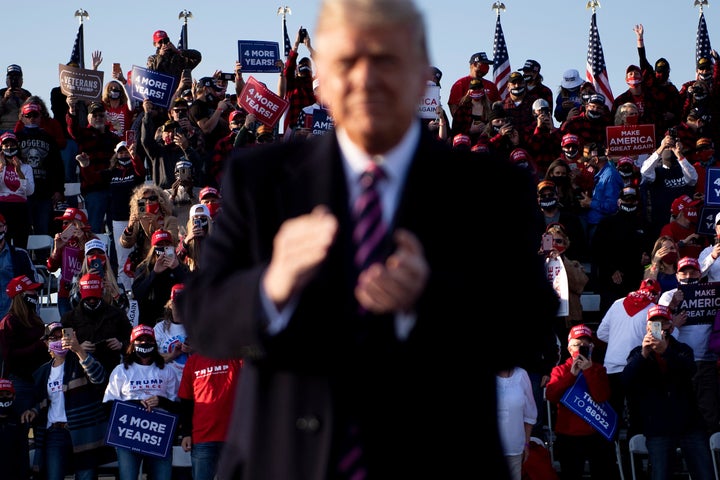
The Pentagon’s move follows President Donald Trump’s call for aggressive action against trafficking organizations threatening both U.S. borders and regional stability.
The mission involves Navy ships and advanced Air Force surveillance planes. Their main goal is to intercept shipments of cocaine and fentanyl making their way from South and Central America to U.S. shores.
From 2020 to 2025, these stepped-up operations led to the seizure of over 49 metric tons of cocaine and 13,000 pounds of marijuana.
U.S. forces detained more than 160 traffickers, disrupting cartel operations and seizing roughly $1.2 billion in illegal assets, according to official government data.
Trump’s administration changed the game by designating notorious cartels—including Mexico’s Sinaloa and Jalisco New Generation, and Venezuela’s Tren de Aragua—as foreign terrorist organizations.
U.S. Military Deploys in Caribbean for Most Ambitious Drug War Since the 1980s
This status lets U.S. authorities freeze assets and use stronger legal and financial tools against anyone supporting these groups.
By labeling cartels as terrorists, officials made it easier to crack down hard and fast, both inside and outside American borders.
The U.S. now works with 22 partner countries, sharing intelligence and coordinating anti-drug actions across the region. This partnership is official and documented in defense statements.
Trump Authorizes Military Planning Against Latin American Cartels Labeled as Terrorists
According to U.S. authorities, cartels today operate like rogue states. They run massive drug, weapons, and human smuggling networks, and drive waves of violence.
The Trump team argues the new approach is key to protecting Americans and stabilizing Latin America.
However, not everyone agrees. Leaders in Mexico and Venezuela have raised strong objections. They say U.S. military action threatens their sovereignty and can put civilians in danger.
The bigger picture is that this shift shows the U.S. now sees drug trafficking as not just a policing issue, but a full-blown military threat.
This historic stance is likely to affect trade, security, and economics for years ahead, both inside and outside the U.S.

Advertising by Adpathway







;)