

India Halts U.S. Arms Purchases in Response to Steep Tariffs
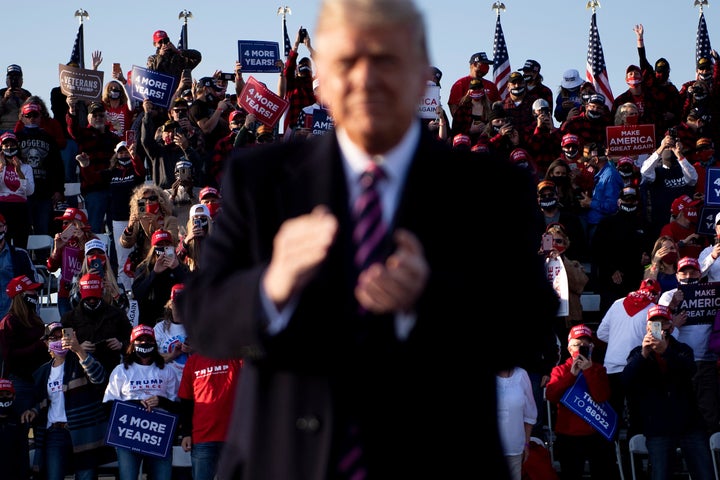
India’s Prime Minister Narendra Modi took a firm public stance after the US government, led by President Donald Trump, raised tariffs on Indian exports to 50% in August 2025.
The move came after the US claimed that India’s continued purchases of Russian oil help fund the war in Ukraine. The U.S. imposed steep tariffs—one of the highest ever for a U.S. trading partner.
These measures especially targeted Indian exports, which reached $87.3 billion in 2024. India also held a trade surplus of $45.8 billion with the U.S. that year.
India responded to the tariffs by putting major defense purchases from the US on hold. Indian defense officials confirmed that a planned visit by India’s Defense Minister to Washington was cancelled.
This visit was intended to finalize deals for US-made military equipment, including aircraft, vehicles, and weapons. While no formal freeze on all ongoing defense contracts exists, forward movement in the defense partnership has clearly slowed.
The Indian government defends its position by saying it will protect the interests of Indian farmers and small business owners. Modi made clear that sensitive areas like farming and dairy will not be opened to outside competition, citing both economic and cultural reasons.
India-U.S. Rift Grows Over Russian Oil
India now relies on Russian oil for about a third of its crude imports, valued at £38 billion in the last financial year. Officials and analysts estimate that switching to alternative suppliers could cost India an extra $9–11 billion per year in fuel bills, potentially harming Indian industry.
Washington justifies the tariffs as necessary for national security, but India points out the uneven treatment since the US has not penalized countries like China for similar Russian oil imports.
This double standard, Indian officials argue, shows how global trade can be used as a tool for political leverage. The rift has put two decades of growing trade and security cooperation between India and the US on pause.
Both nations had built closer relations partly to balance China’s economic and military weight in Asia. Now, both sides prioritize domestic interests over compromise, spurring India to re-engage with other partners, including Russia and China, for trade and security options.
The real story is about more than tariffs or oil. It highlights how major economies now protect their own priorities first, even if it puts international partnerships at risk. For businesses, US penalties mean higher costs and lost export opportunities.
In addition, for ordinary workers the fallout could mean job losses and higher fuel costs. For both countries, short-term economic pain now outweighs any quick diplomatic fixes.
This story underlines a shift: Global trade has become a battleground for power and self-interest. Each side weighs what matters most at home, signaling a world where policies follow national priorities, not just global ideals.

Advertising by Adpathway







;)