

Trump steps up push for trade deals before July 9 deadline, but hints at more time for talks
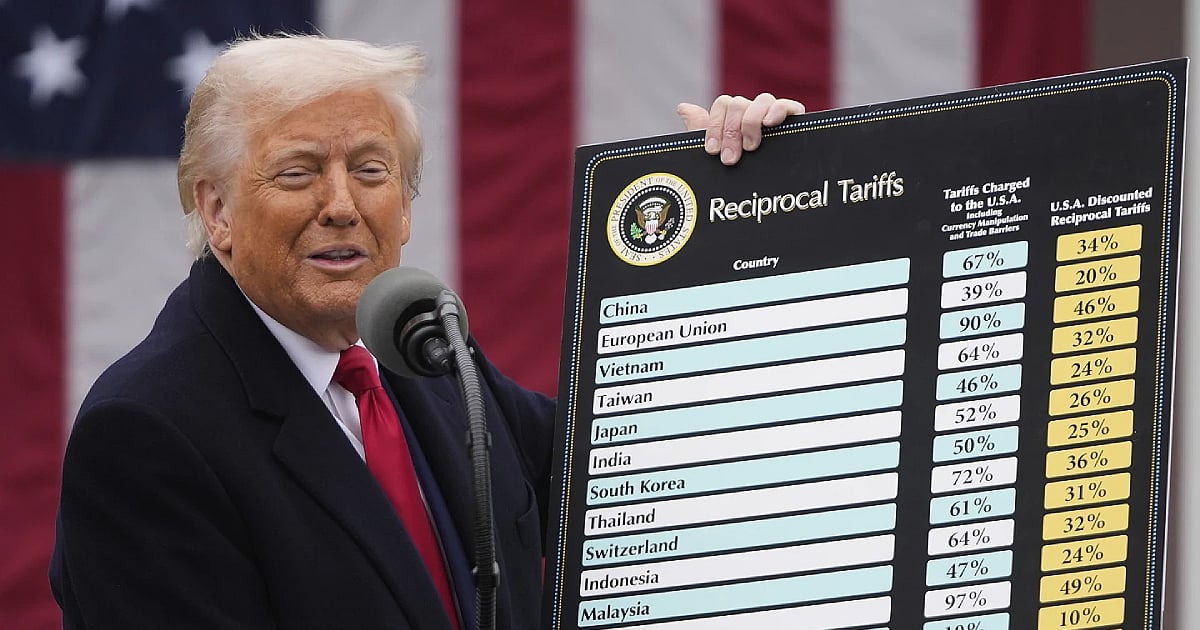
Trump imposed elevated tariff rates on dozens of nations that run meaningful trade surpluses with the US, and a 10% baseline tax on imports from all countries in response to what he called an economic emergency. There are separate 50% tariffs on steel and aluminum and a 25% tariff on autos. Since April, few foreign governments have set new trade terms with Washington as the Republican president demanded.
Trump told reporters early Friday that his administration might be sending out letters as early as Saturday to countries spelling out their tariff rates if they did not reach a deal, but that the US would not start collecting those taxes until Aug. 1.
On Friday night, he said he would “probably send out 10 or 12” letters on Monday, each reflecting “different amounts of money, different amounts of tariffs and somewhat different statements.” He and his advisers have declined to say which countries would receive the letters.
Treasury Secretary Scott Bessent rejected the idea that Aug. 1 was a new deadline and declined to say what might happen Wednesday. “We’ll see," Bessent said on CNN's "State of the Union".
"I’m not going to give away the playbook.” He said the US was “close to several deals,” and predicted several big announcements over the next few days. He gave no details. "I think we’re going to see a lot of deals very quickly,” Bessent said.
Trump has announced a deal with Vietnam that would allow US goods to enter the country duty-free, while Vietnamese exports to the US would face a 20% levy.
That was a decline from the 46% tax on Vietnamese imports he proposed in April — one of his so-called reciprocal tariffs targeting dozens of countries with which the US runs a trade deficit.
Asked if he expected to reach deals with the European Union or India, Trump said Friday that “letters are better for us” because there are so many countries involved.
“We have India coming up and with Vietnam, we did it, but much easier to send a letter saying, ’Listen, we know we have a certain deficit, or in some cases a surplus, but not too many. And this is what you’re going to have to pay if you want to do business in the United States.”
Canada, however, will not be one of the countries receiving letters, Trump's ambassador, Pete Hoekstra, said Friday after trade talks between the two countries recently resumed.
“Canada is one of our biggest trading partners,” Hoekstra told CTV News in an interview in Ottawa. “We’re going to have a deal that’s articulated."
Canadian Prime Minister Mark Carney has said he wants a new deal in place by July 21 or Canada will increase trade countermeasures.
Hoekstra would not commit to a date for a trade agreement and said even with a deal, Canada could still face some tariffs. But “we’re not going to send Canada just a letter,” he said.

Advertising by Adpathway






;)