

China’s Credit Outlook Dims as Trade Strains Compound Debt Burden
Moody’s Investors Service maintained China’s A1 credit rating but upheld its negative outlook, citing persistent trade uncertainties and fiscal risks, while Fitch downgraded the sovereign rating to A in April 2025 over escalating debt concerns.
The moves reflect deepening skepticism about China’s ability to balance stimulus-driven growth with long-term financial stability as U.S. tariffs and weak global demand strain its export-reliant economy.
China’s government debt is projected to reach 68.3% of GDP in 2025, up from 60.1% in 2024, driven by a record ¥5.66 trillion ($780 billion) budget deficit targeting 4% of GDP.
Authorities plan to issue ¥1.3 trillion in special treasury bonds to fund infrastructure and consumer stimulus programs, part of efforts to offset slowing growth and deflationary pressures.
Fitch warns debt could climb to 74.2% of GDP by 2026, nearly triple the median for similarly rated economies, despite Beijing’s ¥6 trillion local debt restructuring initiative.
Trade tensions remain a critical vulnerability. Though recent U.S.-China negotiations temporarily reduced tariffs from 145% to 30% on key goods, Moody’s highlights lingering risks of supply chain fragmentation and elevated export costs.
China’s Post-Tariff Stimulus Faces Scrutiny
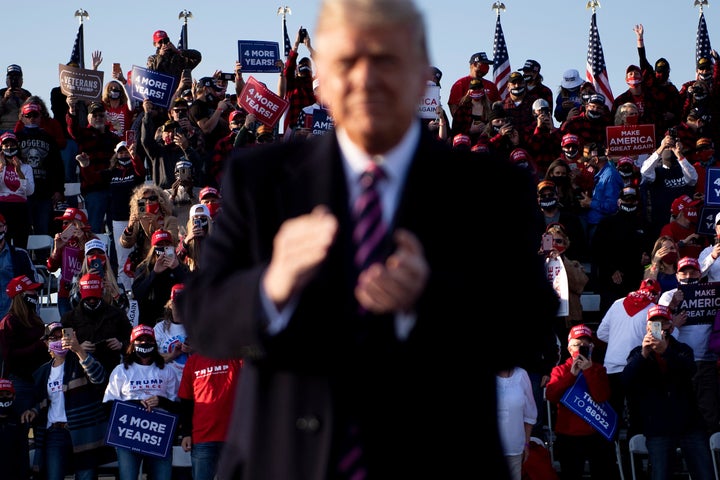
The tariffs, imposed after President Donald Trump’s May 2025 trade policy shift, threaten to shave 0.5 percentage points off China’s GDP growth, with Fitch forecasting a slowdown to 4.4% in 2025.
Beijing has responded with aggressive fiscal measures, including interest rate cuts and a ¥400 billion debt-swap program to ease municipal financing costs.
Officials defend these policies as necessary to meet their 5% annual growth target, but rating agencies caution that stimulus may only delay reckoning with structural imbalances.
The property sector’s prolonged slump and weak household spending further complicate recovery efforts, with corporate defaults projected to rise to 1.7% among high-yield borrowers.
China’s finance ministry dismissed rating actions as “biased,” arguing reforms have mitigated risks from local government liabilities and state-owned enterprises.
However, Moody’s notes that public finances remain exposed to contingent obligations, with the general government deficit expected to hit 8.4% of GDP this year.
As global investors weigh these pressures, the cost of sustaining growth through debt-funded projects could test Beijing’s economic resilience well into the decade.

Advertising by Adpathway







;)