

Stocks Fall and Bond Yields Jump on Concerns About US Debt
Turbulent trading hit financial markets on Monday, with investors selling U.S. stocks and bonds and the dollar, an ugly combination that suggests sentiment is souring on the outlook for the world’s largest economy.
The S&P 500 index fell about 1 percent in early trading in New York. Bond markets shuddered, with U.S. Treasury prices falling and their yields, which underpin interest rates across the economy, rising. The 10-year yield jumped a tenth of a percentage point, a large move in that market, to 4.54 percent. The dollar also fell, with a gauge of its value against other major currencies slipping 0.8 percent.
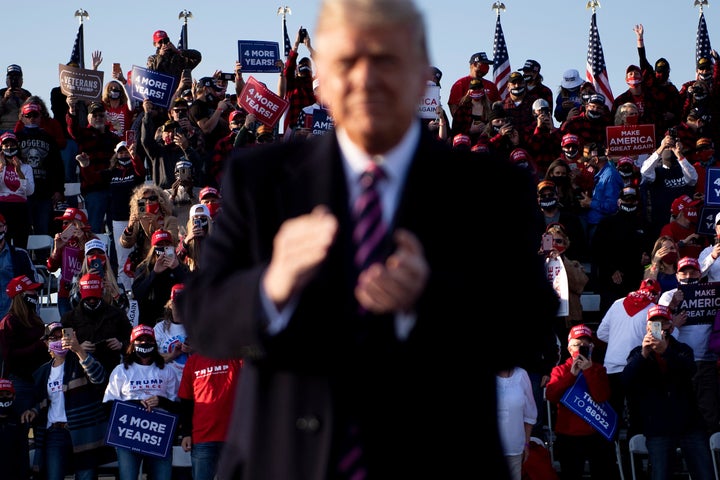
One factor jarring markets is a bill in Congress that would make President Trump’s signature 2017 tax cuts permanent and could add trillions of dollars to federal debt. A House committee voted to approve the bill Sunday night, although it was expected to remain a focus of contentious congressional debate.
The United States’ loss of its last triple-A credit rating late on Friday and mounting concerns about government debt have threatened to disrupt the relative calm in markets that has prevailed since Mr. Trump paused many of his tariffs in recent weeks.
In downgrading the U.S. credit rating, Moody’s cited the tax cut legislation along with broader concerns about the fiscal deficit and growing debt costs. The move by Moody’s means that all three major rating agencies no longer consider the United States qualified for their top credit ratings.
The U.S. credit rating downgrade and worries about debt and deficits could further upset financial markets if they begin to shake the safe-haven status of Treasury bonds. That would likely spur global investors to demand higher premiums in return for buying U.S. debt.
On Monday, the 30-year Treasury yield rose to its highest level in a year and a half, above 5 percent.
“The combination of diminished appetite to buy U.S. assets and the rigidity of a U.S. fiscal process that locks in very high deficits is what is making the market very nervous,” George Saravelos, the global head of foreign exchange research at Deutsche Bank, wrote in a note on Monday.
Anxious investors on Monday also pushed up the price of gold, long a refuge during times of market stress, by about 1.5 percent.
In recent days, analysts at Goldman Sachs and JPMorgan Chase have raised their forecasts for how high U.S. yields will go this year. In part, the analysts said that the pause on the steepest tariffs would help bolster economic growth and also keep inflation running high enough to keep the Federal Reserve from cutting interest rates as soon or as deeply as previously predicted.
Raphael Bostic, the president of the Federal Reserve Bank of Atlanta, said Monday that the Moody’s downgrade would “have implications for the cost of capital and a bunch of other things.” In an appearance on CNBC, Mr. Bostic noted that “there’s a lot of turbulence that’s happening right now.”
Higher rates tend to push up the value of the U.S. dollar, but the currency slid on Monday against the euro, yen and others. That suggested investors may be turning against the United States in general, an echo of the market turmoil last month when spiking yields, falling stocks and a sinking dollar raised questions about the “safe haven” status of U.S. assets.
That episode prompted Mr. Trump to pause so-called reciprocal tariffs, even though he and his advisers had previously dismissed other signs of market unease as they pushed ahead with sweeping tariffs.
The levies have loomed over recent earnings reports from multinational companies. Last week, Walmart said that it would soon begin to raise some of its prices, since it could not “absorb” the full cost of tariffs on the goods it imported. Mr. Trump scolded the retail giant on Saturday, saying in a social media post that it should keep prices down and “EAT THE TARIFFS.”
Walmart’s stock slipped more than 1 percent on Monday.

Advertising by Adpathway







;)