

Religion and Power: Trump’s White House Deepens Christian Influence
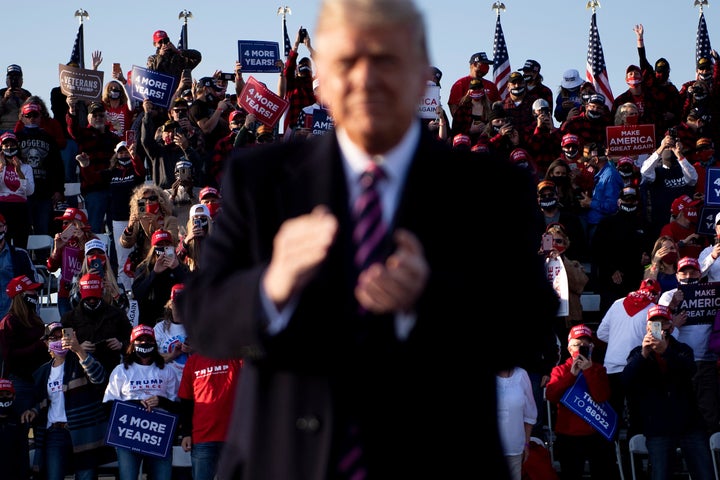
On April 20, 2025, President Donald Trump released an Easter message that underscored a new direction for the White House.
Trump, calling the United States “a nation of believers,” pledged to make America “more religious than ever before.”
He framed Easter as a time to reflect on Jesus Christ’s sacrifice and resurrection, linking these themes to national strength and unity.
Trump’s message, posted on Truth Social and echoed in official White House communications, stressed the importance of faith, religious liberty, and the role of Christianity in public life.
Trump has acted on these words. In February, he signed an executive order to create a White House Faith Office, led by Paula White and Jennifer Korn.
This office, now part of the Domestic Policy Council, coordinates with federal agencies to support faith-based organizations and advise on policy.
Trump also established a task force to eradicate what he calls “anti-Christian bias” across government departments, with the Justice Department funding its work for at least two years.
Religion and Power: Trump’s White House Deepens Christian Influence
The administration’s approach marks a shift from previous years. Cabinet meetings now open with prayer, and the White House hosts faith events with prominent Christian leaders.
Trump reversed policies from the Biden era that imposed gender identity rules on religious groups, a move welcomed by conservative Christians but criticized by others as discriminatory.
Unyielding Faith: Inside the Global Struggle for Christian Survival in 2024
These actions have expanded the influence of evangelical leaders in policymaking. Trump’s faith-focused rhetoric and policy changes resonate with his core supporters, especially white evangelical Protestants, who overwhelmingly backed him in the 2024 election.
Critics argue that the administration’s efforts risk sidelining minority groups and blurring the line between church and state.
Trump’s Easter message and recent policies reveal a White House where faith and politics have become deeply intertwined, shaping both public discourse and federal action.

Advertising by Adpathway






;)