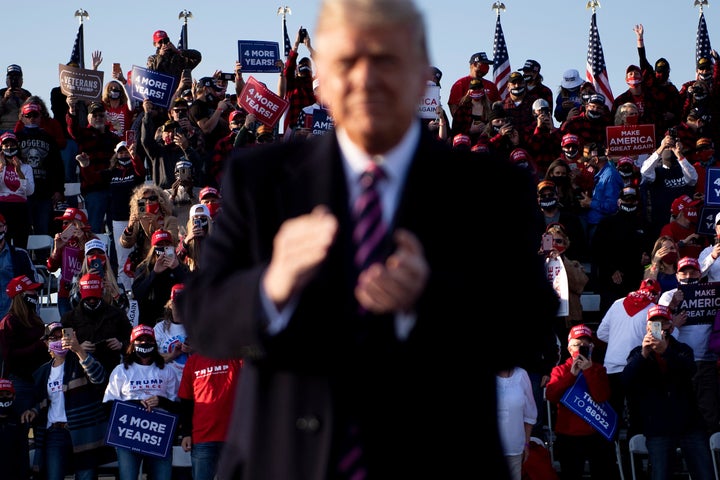


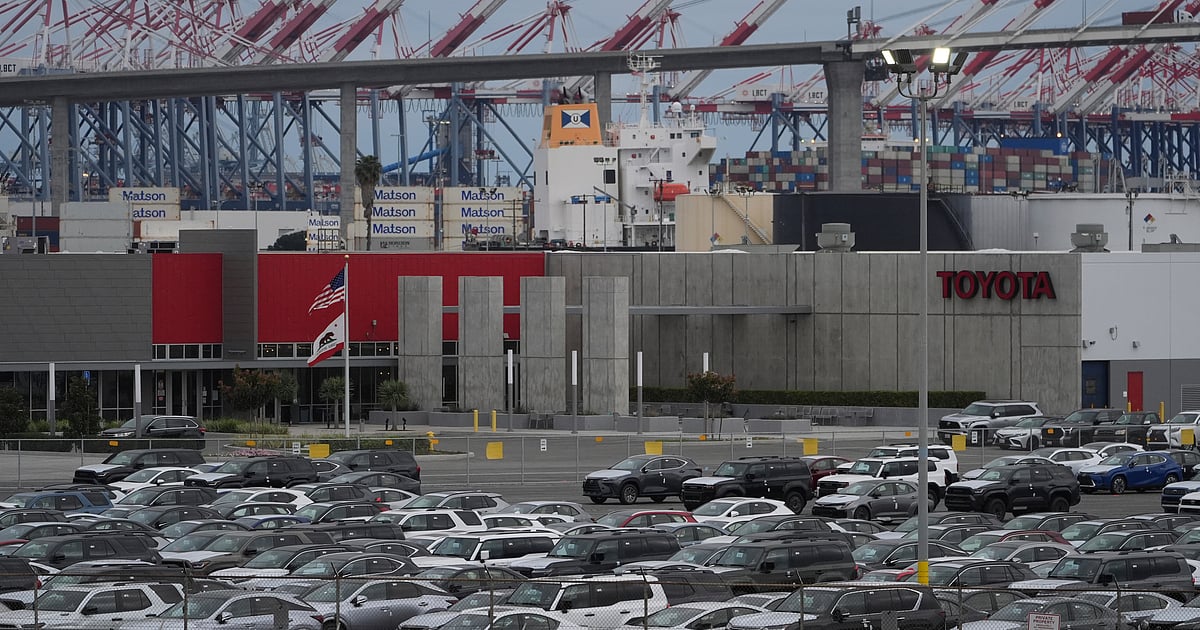
Trump places 25 per cent tariff on imported autos, expecting to raise $100 billion in tax revenues
As Trump announced the new tariffs, he indicated that he would like to provide a new incentive to help car buyers by allowing them to deduct from their federal income taxes the interest paid on auto loans, so long as their vehicles were made in America. That deduction would eat into some of the revenues that could be generated by the tariffs.
The new tariffs would apply to both finished autos and parts used in the vehicles, according to a White House official who spoke on condition of anonymity to discuss the taxes on a call with reporters. The tariffs would be on top of any existing taxes and were legally based on a 2019 Commerce Department investigation that occurred during Trump's first term on national security grounds.
For autos and parts under the USMCA trade pact applying to the United States, Mexico and Canada, the 25% tariffs would only apply to non-U.S. content.
The administration is reasoning that there is excess capacity at U.S. automakers that will enable them to ramp up production to avoid the tariffs by manufacturing more domestically, with the official noting that automakers have known since the Trump campaign that tariffs were coming.
The auto tariffs are part of a broader reshaping of global relations by Trump, who plans to impose what he calls “reciprocal” taxes on April 2 that would match the tariffs, sales taxes charged by other nations.

Advertising by Adpathway






;)