

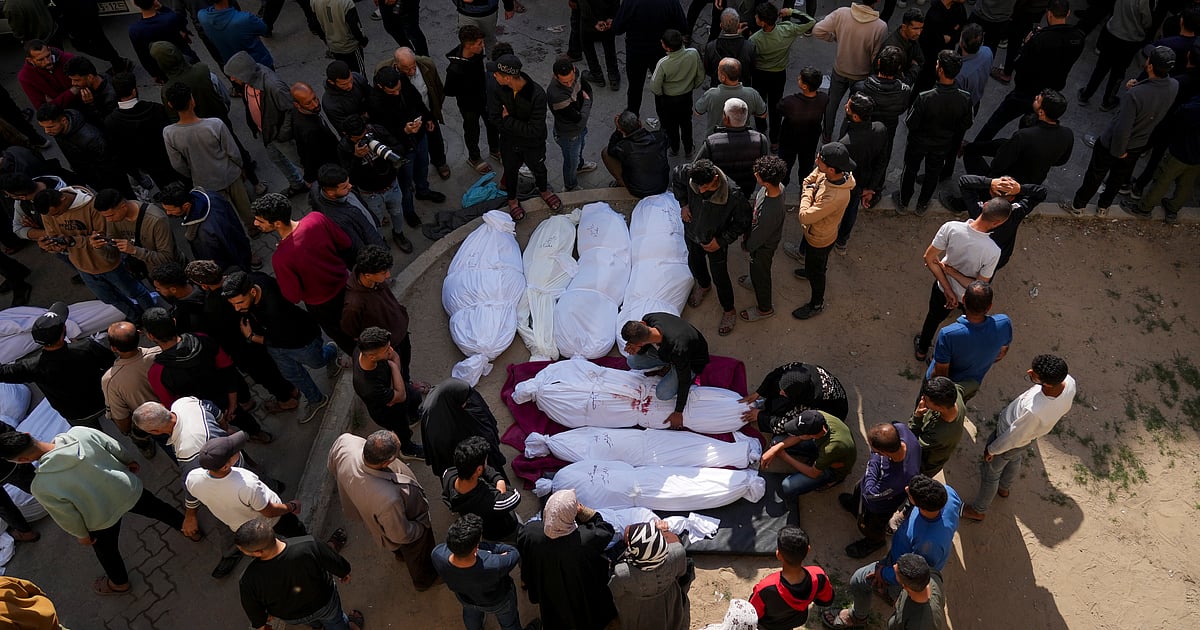
Israeli strikes across Gaza kill at least 413 Palestinians and shatter ceasefire with Hamas
Netanyahu faces mounting criticism
The return to fighting could also worsen deep internal fissures inside Israel over the fate of the remaining hostages.
The released hostages, some of whom were emaciated, have repeatedly implored the government to press ahead with the ceasefire to return all remaining captives. Tens of thousands of Israelis have taken part in mass demonstrations calling for a ceasefire and return of all hostages.
Mass demonstrations are planned later Tuesday and Wednesday following Netanyahu's announcement this week that he wants to fire the head of Israel's Shin Bet internal security agency. Critics have lambasted the move as an attempt by Netanyahu to divert blame for his government's failures in the Oct. 7 attack and handling of the war.
Since the ceasefire in Gaza began in mid-January, Israeli forces have killed dozens of Palestinians who the military says approached its troops or entered unauthorized areas.
Still, the deal has tenuously held without an outbreak of wide violence. Egypt, Qatar and the United States have been trying to mediate the next steps in the ceasefire.
Israel wants Hamas to release half of the remaining hostages in return for a promise to negotiate a lasting truce. Hamas instead wants to follow the ceasefire deal reached by the two sides, which calls for negotiations to begin on the ceasefire’s more difficult second phase, in which the remaining hostages would be released and Israeli forces would withdraw from Gaza.

Advertising by Adpathway







;)