

Unseen forces of shared belief
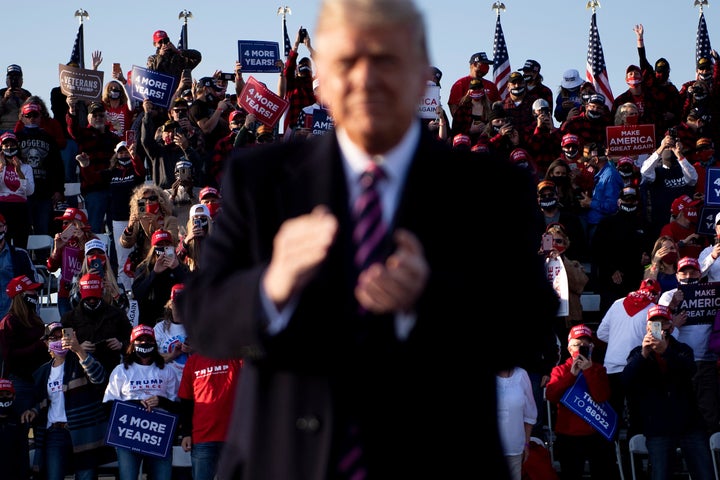
In the hidden corridors of esoteric tradition, there exists a force both mysterious and influential—the egregore. More than just an idea, it is a psychic entity shaped by collective thought and intention. From religious devotion to political movements and corporate brands, egregores influence human behaviour in unseen ways.
The concept dates back to ancient Greece, where egregoroi referred to ‘watchers’—celestial beings in The Book of Enoch who descended to Earth, sharing forbidden knowledge. Later, esoteric traditions reinterpreted them as psychic constructs formed by group focus. The 19th-century occultist Éliphas Lévi explored similar ideas, emphasising how collective thought shapes reality. In modern esoteric circles, Gaetan Delaforge described egregores as energetic beings sustained by mental and emotional investment. Though rooted in mysticism, egregores extend beyond esoteric thought. They exist in everyday life, shaping religious devotion, political ideologies and cultural symbols. A well-formed egregore influences perceptions, behaviours, and even historical events, growing stronger as more people invest belief into it. An egregore begins with a shared thought, symbol or belief, gaining strength through repetition, ritual and emotional energy.
Some remain dependent on their creators, while others develop autonomy, exerting power over those who sustain them. Religious traditions are rich with egregores, their power amplified through prayer, worship, and sacred texts. Figures like Jesus, the Virgin Mary and Ganesha are deeply ingrained in collective consciousness, sustained by centuries of devotion. Even non-deified constructs, such as guardian angels or the concept of karma, function as egregores reinforced by widespread belief.

Advertising by Adpathway







;)