

Rohingya refugees in Bangladesh fear impact of US food ration cuts
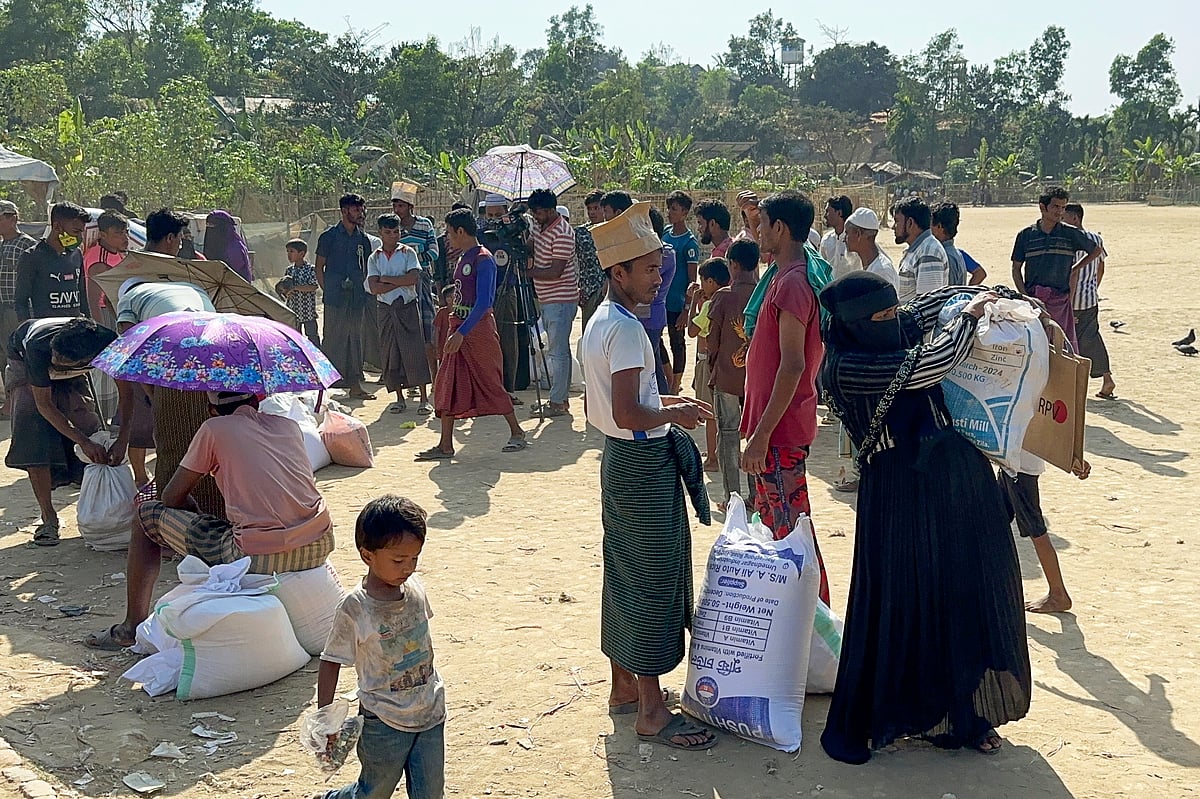
More than 700,000 Muslim Rohingya fled to Bangladesh from Myanmar starting in late August 2017 when Myanmar's military launched a “clearance operation.” The ethnic group faces discrimination and are denied citizenship and other rights in the Buddhist-majority nation. Following a miliary takeover in 2021, the country has been engulfed in an armed conflict widely seen as civil war.
It was not immediately clear if the WFP's decision was directly related to the Trump administration's action.
“We received a letter that says previously it was $12.50, and now it is $6. They used to get $12.50 per month, and from now $6, this will greatly affect them,” Shamsud Douza, additional refugee relief and repatriation commissioner of Bangladesh, told The Associated Press.
“As the food is cut, they will get less nutritious food, which may lead to a lack of nutrition. There will be social and mental pressure created amongst the Rohingya people in their community. They will have to look for an alternative for the food,” he said.
Douza said there are more sectors where budgets have been cut beyond the food rations, but he would not say whether WFP cuts were related to the U.S. funding rollback.
“Generally, there will be less (support) for the (Rohingya) response after the funding cuts. The response already has been slowed, and some people, including Rohingya, have lost their jobs, and some services are reduced. It does not bring a good result when the available services get reduced,” he said.

Advertising by Adpathway