


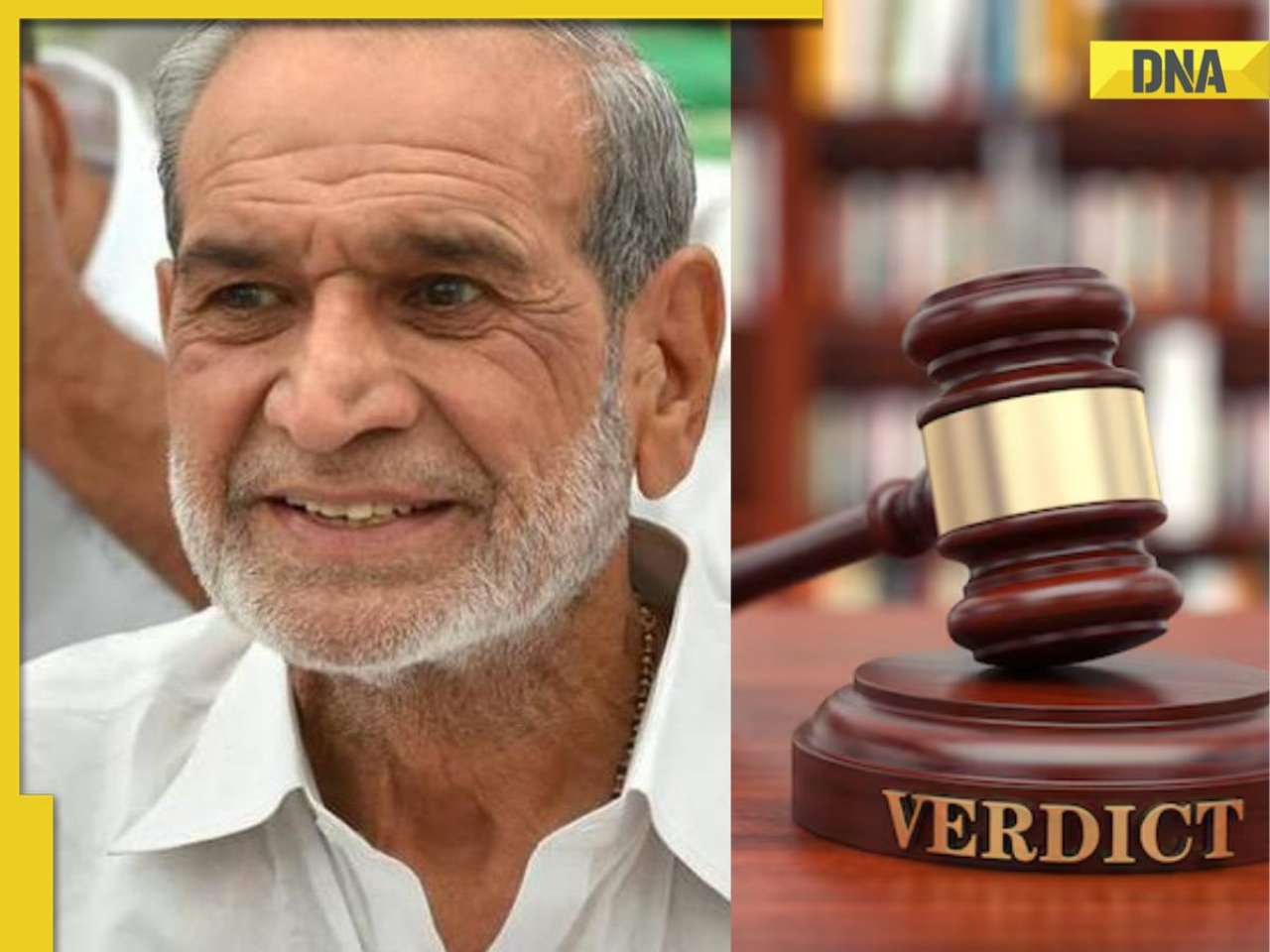
1984 anti-Sikh riots: Former Congress MP Sajjan Kumar gets life sentence, court tells why it took 40 years
1984 anti-Sikh riots: Special Judge Kaveri Baweja delivered the verdict in the case where Kumar is found guilty of inciting a mob to kill father Jaswant Singh and his son Tarundeep Singh in Delhi's Saraswati Vihar
The court in its verdict tagged the case as the “rarest of rare” and said that Kumar's involvement was a case of “mass genocide” directed towards a particular community.
Former Congress leader Sajjan Kumar has been sentenced to life imprisonment by Delhi's Rouse Avenue Court in connection with the 1984 anti-Sikh riots on Tuesday.
Special Judge Kaveri Baweja delivered the verdict in the case where Kumar is found guilty of inciting a mob to kill father Jaswant Singh and his son Tarundeep Singh in Delhi's Saraswati Vihar area in the North west, on November 1, 1984. He was found guilty of provoking a mob and murder of the father-son duo.
Demand for death penalty
Deceased Jaswant Singh’s wife was the complainant in the case, she and the prosecution, had asked for the death penalty for the former Congress leader. They alleged that his actions during the 1984 riots constituted genocide and ethnic cleansing.
The court had found Kumar guilty of the offence on February 12 but before pronouncing the quantum of punishment, the court reserved verdict in the case to learn about the psychiatric and psychological condition of the convict. The court sought details of Kumar’s health condition after the Supreme Court made it mandatory for the court to take into consideration such reports in cases where they may pronounce capital punishment.
Life sentence in another case
Sajjan Kumar had been lodged in Tihar jail and has been serving a life sentence since 2018 when the Delhi high court convicted him in the case pertaining to the killing of five Sikhs in Palam Colony, in the Delhi Cantonment area, when riots were taking place.
Manish Rawat, additional public prosecutor, argued that given Kumar's prior conviction in a similar case, a life sentence would be insufficient punishment for his heinous crime, which not only targeted the Sikh community but also constituted a crime “against humanity.”
The 1984 anti-Sikh riots
In cases of conviction for murder, the maximum punishment is that of death penalty and the minimum if that of life imprisonment. The Delhi court gave the 79-year-old Kumar life imprisonment after four decades of the heinous riots that started in the national capital after the then Prime Minister Indira Gandhi’s assassination by her Sikh bodyguards on October 31, 1984. People in Delhi started burning shops ran by people of Sikh community, killing and beating them which led to the killing of around 2,800 people.
The court in its verdict tagged the case as the “rarest of rare” and said that Kumar's involvement was a case of “mass genocide” directed towards a particular community. However, before the punishment, people from the community were demanding death penalty in the case.
The court also highlighted the systemic failures which gave Kumar a chance to escape justice for four decades and termed the acceptance of the Delhi Police's “untrace report” in 1994 as a “grave failure of justice”. Due to this failure, the case was closed and the complainant, Jaswant Singh’s wife, was also not notified.

Advertising by Adpathway