

Merz prioritises Ukraine and US, vows to tackle migration, economy after German election win
Mainstream parties hold majority as far-right surges
Merz’s conservatives won 208 seats in the 630-seat Bundestag, while AfD won 152. The three parties in the former governing coalition lost seats, with SDP falling to 120 seats and the Greens to 85. The pro-business Free Democrats, which triggered early elections by pulling out of the coalition, failed to reach the 5% of the vote required to win seats.
The Left party got 64 seats, while the left-wing Sahra Wagenknecht Alliance came in just under the 5% hurdle.
AfD was jubilant on Sunday night, with leaders vowing to become the country’s main party in the next election as its appeal expands. The party has established itself as a significant political force in the 12 years since it was founded, but it hasn’t yet been part of any state or national government.
That’s the result of what is often called a “firewall” against AfD. Other parties say they won’t work with AfD, which is under observation by the domestic intelligence agency for suspected right-wing extremism, something the party objects to strongly. Its branches in three eastern states are designated “proven right-wing extremist” groups, which is particularly sensitive in view of Germany’s Nazi past.
Yet a growing number of Germans feel that the mainstream parties have failed to manage the large-scale immigration and other problems in recent years, including responses to the COVID-19 pandemic.
The election took place seven months earlier than originally planned after Scholz’s unpopular coalition collapsed in November, three years into a term that was increasingly marred by infighting. There was widespread discontent and not much enthusiasm for any of the candidates.
Merz says ready to face challenges from US and Russia
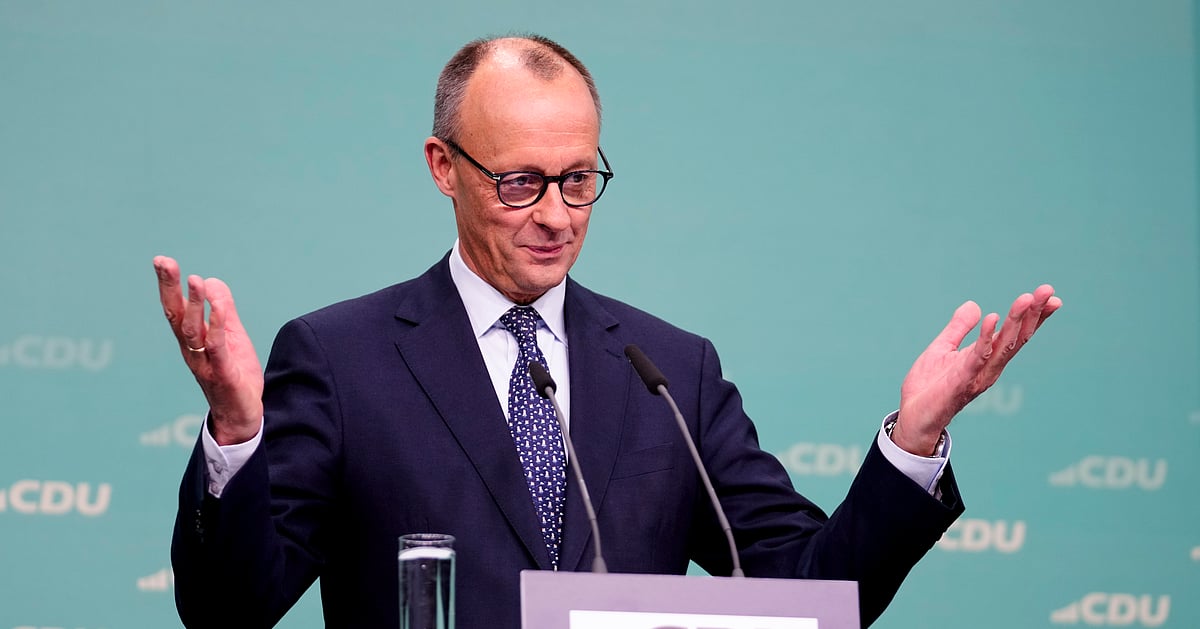
Merz said Monday that his top priority is to unify Europe in the face of challenges coming from the U.S. and Russia. Both U.S. Vice President JD Vance and Trump ally Elon Musk openly supported AfD.
He said he remains “hopeful that the Americans will see it as in their own interests to be involved in Europe as well.”
Still, he warned that it would be unacceptable “if the Americans strike a deal with Russia over the heads of the Europeans, over the heads of Ukraine.”
Germany is the most populous country in the 27-nation European Union and a leading member of NATO. It has been Ukraine’s second-biggest weapons supplier, after the U.S, and will be central to shaping the continent’s response to the challenges of the coming years, including the Trump administration’s confrontational foreign and trade policy. __ Geir Moulson in Berlin contributed.

Advertising by Adpathway







;)