


On stranger tides
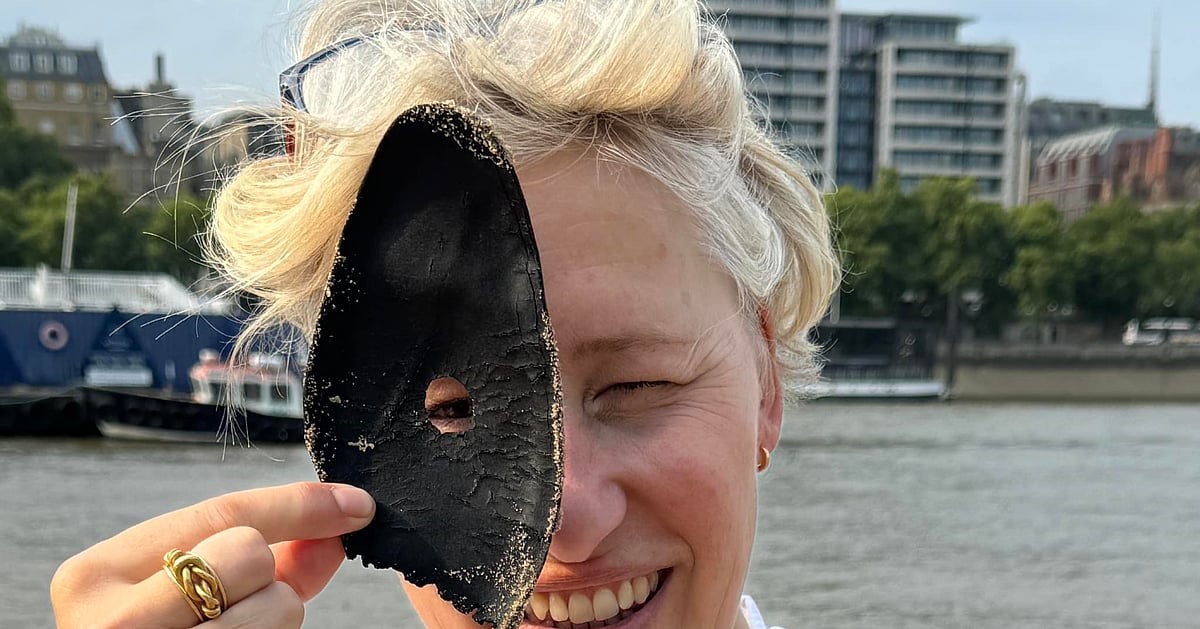
London has long been defined by the river that runs through it. In Victorian times, human figures were commonly spotted at low tide, bent over and wading in the wet mud. These “mudlarks”— a person who gains a livelihood by searching for iron, coal, old ropes etc. in mud or low tide—routinely scavenged the foreshore of the Thames, making a living by selling items that they found. Animal bones, human teeth, relics of war, religious curios, children’s toys, pins, jewels, buckles, buttons, and more… the Thames throws up surprises all the time. Lara Maiklam, or ‘the London’s Mudlark’, who began mudlarking over 20 years ago, says it’s “quite obsessive”.
London is probably the best place in the world for mudlarking. “It has 2,000 years of intense habitation (so there is a lot to find) and the Thames is tidal, which means that one can get onto the river bed to search twice a day,” says Maiklam, also the author of A Mudlarking Year: Finding Treasure in Every Season. Mudlarking dates back to at least the 18th century.
Traditionally it was the very poor, who searched the river for anything they could use or sell. By the mid-19th century, it had become a hobby for those with a passion for history.

Advertising by Adpathway







;)