


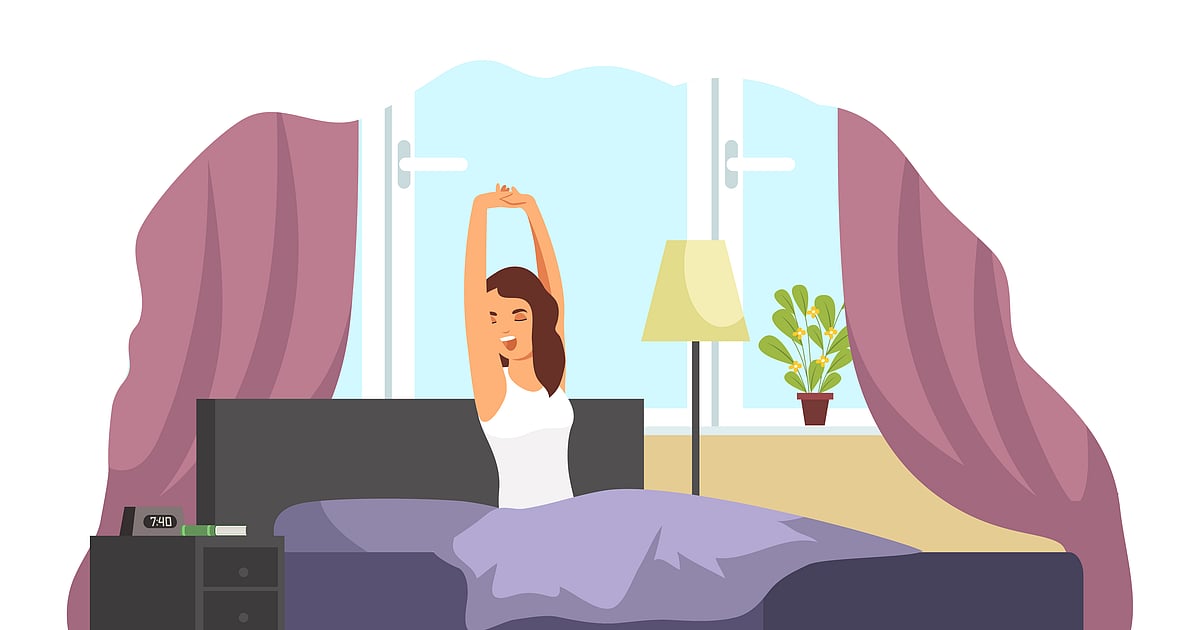
Sleeping like a baby
If mornings feel more like dragging a sleepy sloth out of bed than raising a bright-eyed child, you’re not alone. Sleep isn’t just about hours; it’s aboutquality. Even if your child gets their 7-9 hours, they might still feel sluggish, cranky, or out of sorts. Poor sleep quality can leave them running on empty, affecting everything from their mood to their school performance and even their physical growth.
Common Causes of Sleep Deprivation in Children
The reasons behind children’s sleep struggles often lie in their daily routines and environments. Here’s a closer look at some common culprits:
1. Overstimulation: Excessive screentime, high-energy activities and video games, or even watching exciting shows too close to bedtime can leave kids wired.
2. Heavy Academic Load: Late-night homework or studying for tests can push bedtime further back, leaving little room for rest.
3. Irregular Schedules: Inconsistent sleep routines—whether due to after-school activities, screen time, or parents varying schedules—confuse a child’s body clock.
4. Lack of Emotional Safety: Stress from school, friendships, or a tense home environment can lead to anxious thoughts, keeping their minds racing.
5. Excessive Screen Time: The blue light from screens disrupts melatonin production, delaying sleep onset and affecting sleep quality.
6. Not Enough Physical Activity: Without sufficient play and movement during the day, kids often have pent-up energy that spills into the night.
7. Poor Sleep Environment: A noisy, bright, or overly warm room can make falling and staying asleep a challenge.
8. Food Additives: Serving kids an excess of sugary foods with artificial colours can also make them jittery and hyperactive.

Advertising by Adpathway





;)