


The Polyculture Project 2020 – Week 23
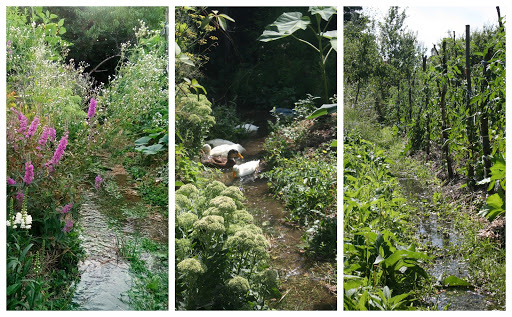
Still no significant rainfall, since the end of June however we’re fortunate to have a perennial water source which reaches our garden and all the other houses in the village via channels diverted from a mountain river.
|
| Raised beds laid out on contour with sunken pathways in the home garden |
Flood irrigation is generally used when a stream from a river can be diverted into the site and is what we predominantly use on our sites. We have designed all of our garden layouts based on the use of flood irrigation, positioning access and earthworks to distribute water across the site and slowly sink into the soils. We’ve found between is very effective, with the pathways doubling up as irrigation channels. not only does the water sink into the soils but capillary action also draws water up into the raised beds. According to some reports, 90% of plant death following planting is the result of not enough water, so having your irrigation plan and system in place on site before planting makes a lot of sense and is absolutely essential if you are planting on a large scale or running a commercial activity.
Last week I mentioned fennel flowers stealing the show in regards to their ability to attract organisms, many of which are beneficial for our landscapes, particularly in terms of pest predation and pollination support. Here are a few photos of some of the visitors.
 |
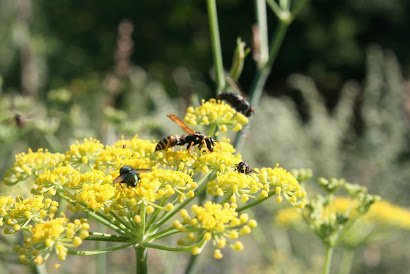
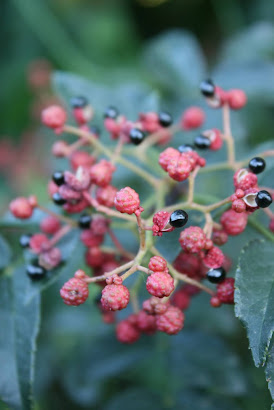
Here Fennel the red husks of Zanthoxylum piperitum in the background
 |
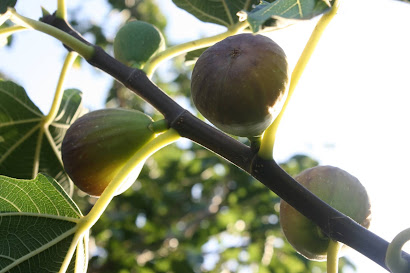
This week the figs are coming thick and fast. I was planning to harvest some today, cut them in half, and put them on a metal baking tray placed inside my car, with the windows slightly open for circulating air. The fruits generally take a day or 2 to dry and ready for storing (depending on outside temps/humidity etc). Our weather forecast shows we may have a few cloudy days on the way, so we’ll hold off for now. This is a very simple but also a very effective method, with the added bonus of being able to reposition the car occasionally to follow the sun’s trajectory :)
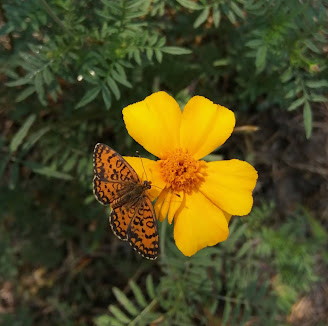
Tagete sp. Marigolds are one of the support species we use extensively in our annual vegetable production beds. They self seed and tolerate drought pretty well, as well as attracting a steady stream of visitors. The flowers also make a decent cuppa.
What summer would be complete without the obligatory Sunflower photos?!



Advertising by Adpathway