


The Polyculture Project 2020 – Week 22
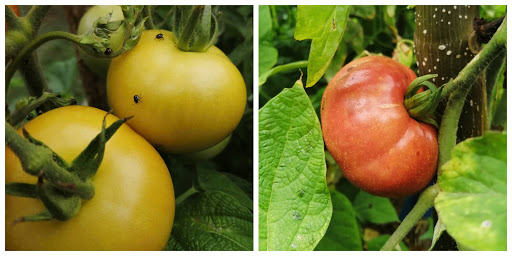
Unfortunately, for the last 3 years the tomatoes have been affected by the persistent predation of the Southern Green Stink Bug – Nezara viridula.

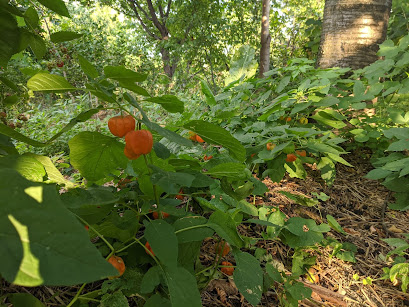
The plants spread quickly to form an attractive and dense ground cover in a shady area, as you can see in the below image taken from the forest garden section of the home garden. These plants are around 3 years old.
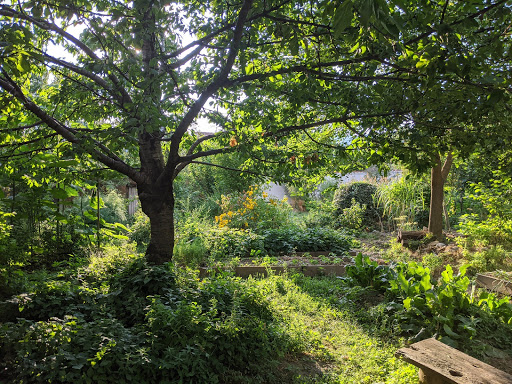
The view from another part of the home garden, on a late summer’s evening:)

Fennel – Foeniculum vulgare about to burst into full bloom
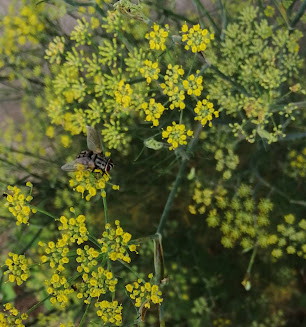
The flowers of Fennel attract an astonishing amount of organisms to the garden and we’re always quite amazed by the sheer volume of visitors. In particular, a variety of flies seem to visit the blooms, including Hoverflies – (Syrphid flies/flower flies), which are in fact very valuable pollinators as well as pest predators. Some species produce larvae that feed on aphids and other soft-bodied insects. The adult female hover fly will find a location where aphids are present and lay her eggs nearby. When the caterpillar like larvae emerge from the eggs, they move along the plant surface, lifting their heads to grope for prey, seizing them and sucking them dry. A single larva can consume hundreds of aphids in a month. Hoverflies are reported to be excellent at detecting and attacking even low numbers of aphids. Check back next week for some images, as I hope to capture the activity during this week.
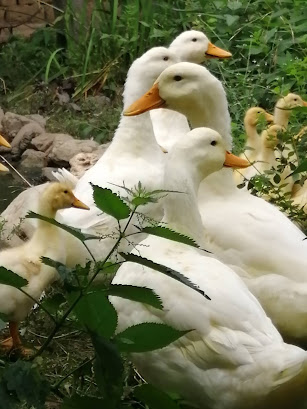
We’ll end this post with an update on the ducks – it’s quite unbelievable how quickly they’ve grown, and 2 ‘batches’ of ducklings have now been introduced into the garden. The final ‘batch’ still requires the safety of the cage for now, as they are just 1 week old, but mother and babies are doing very well :)


Advertising by Adpathway